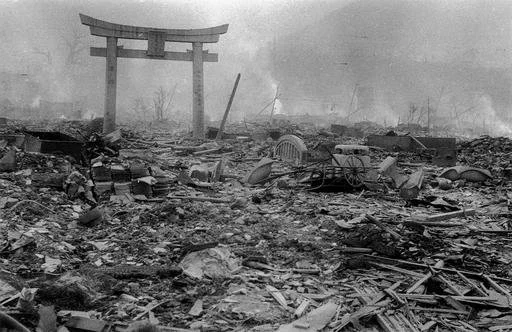
Remembering Hiroshima: August 6, 1945
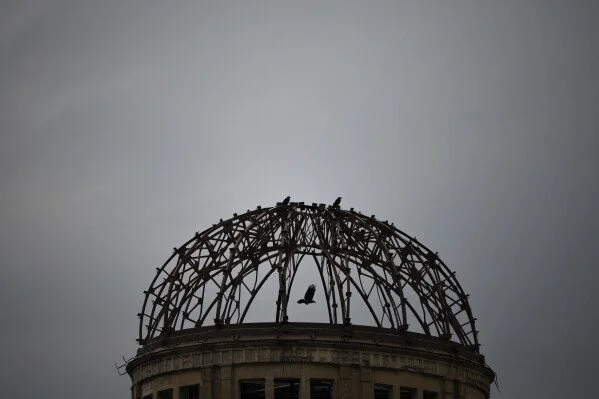
As a Japanese tattoo artist, my connection to Japanese culture and history is deeply personal. I was born and raised in Hiroshima, so every year on August 6, my family take a moment to remember the lives lost in the atomic bombing of Hiroshima and Nagasaki in 1945.
Growing up in Hiroshima, I remember attending Peace Day at kindergarten and primary school. We would fold paper cranes, make lanterns and sing songs as a way of remembering those who lost their lives. These are simple childhood memories, but they have stayed with me.
My grandmother was also a young child when the atomic bomb was dropped. Our family is originally from Fukuyama, in Hiroshima Prefecture, which was far enough from Hiroshima City that she was not directly affected by the bombing. She was still very young at the time and doesn’t remember much about it herself.
I don’t want this to be a political post. The history of the Second World War is complex, and there is much to acknowledge about Japan’s own actions during the war. For me, August 6 is simply a day to remember the devastating loss of human life, to reflect on the importance of peace, and to hope that we can move closer to a world where this kind of tragedy is never repeated.
My connection to Japan and Hiroshima is one of the reasons I feel so strongly and passionately about Japanese tattooing. It has always felt like the path I was meant to take. I feel incredibly proud to work within this tradition, and I honestly can’t imagine choosing any other path.
For me, Japanese tattooing is a way of appreciating my culture and my ancestors every day. It allows me to stay connected to where I come from while also sharing something that means so much to me with other people. Being able to create these tattoos for my clients and see them carry a piece of Japanese culture with them is something I feel very grateful for.
Today, I remember Hiroshima, the people who lost their lives, and the generations who have carried those memories forward.
August 6th 1945, remembered, always.