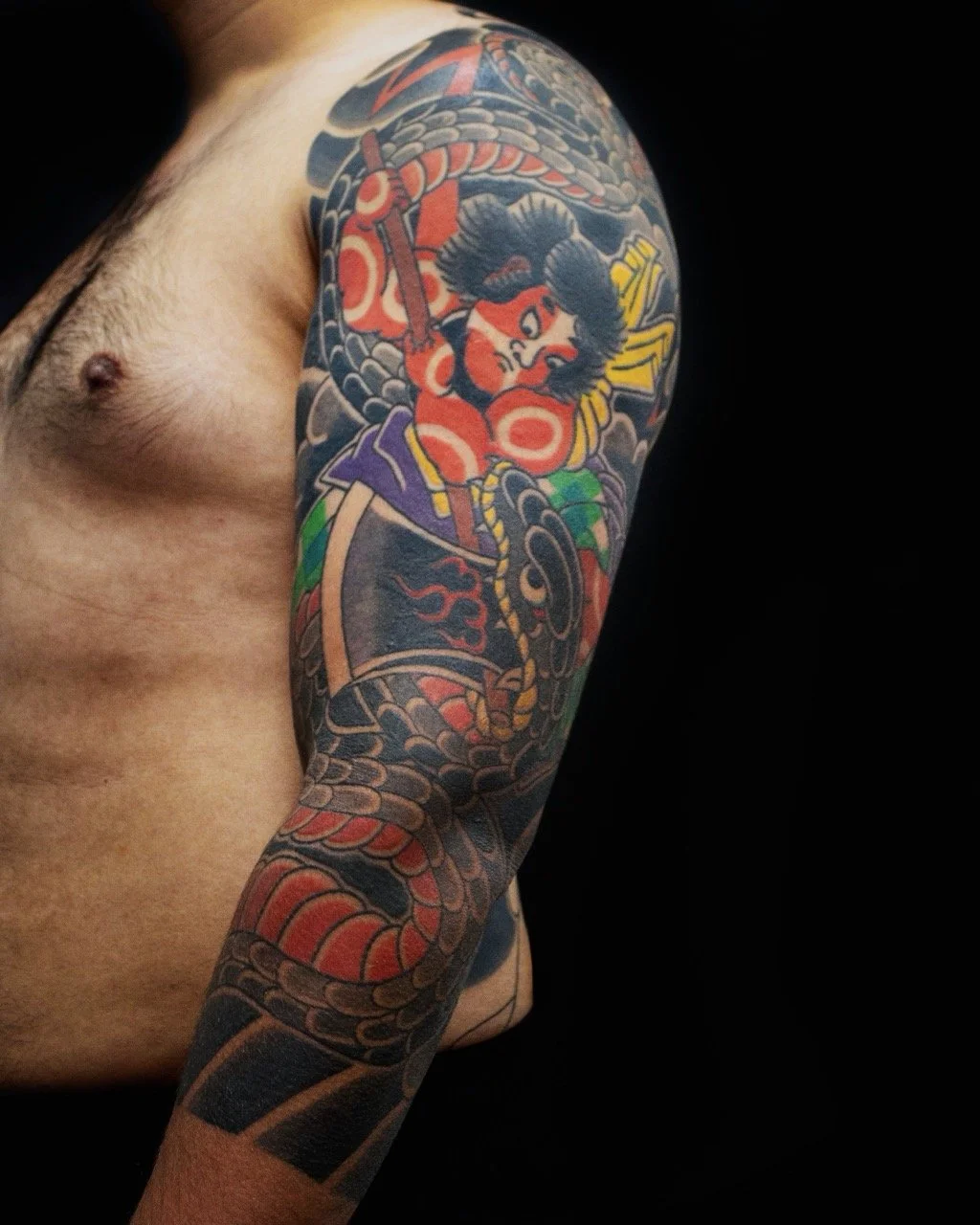
Kintaro: The Golden Boy of Japanese Tattooing
Kintaro is one of my favourite characters to tattoo in Traditional Japanese Irezumi. From his legendary strength and battles with koi, snakes and oni to his unmistakable red skin, he offers endless possibilities for dynamic sleeves, back pieces and one-point tattoos.
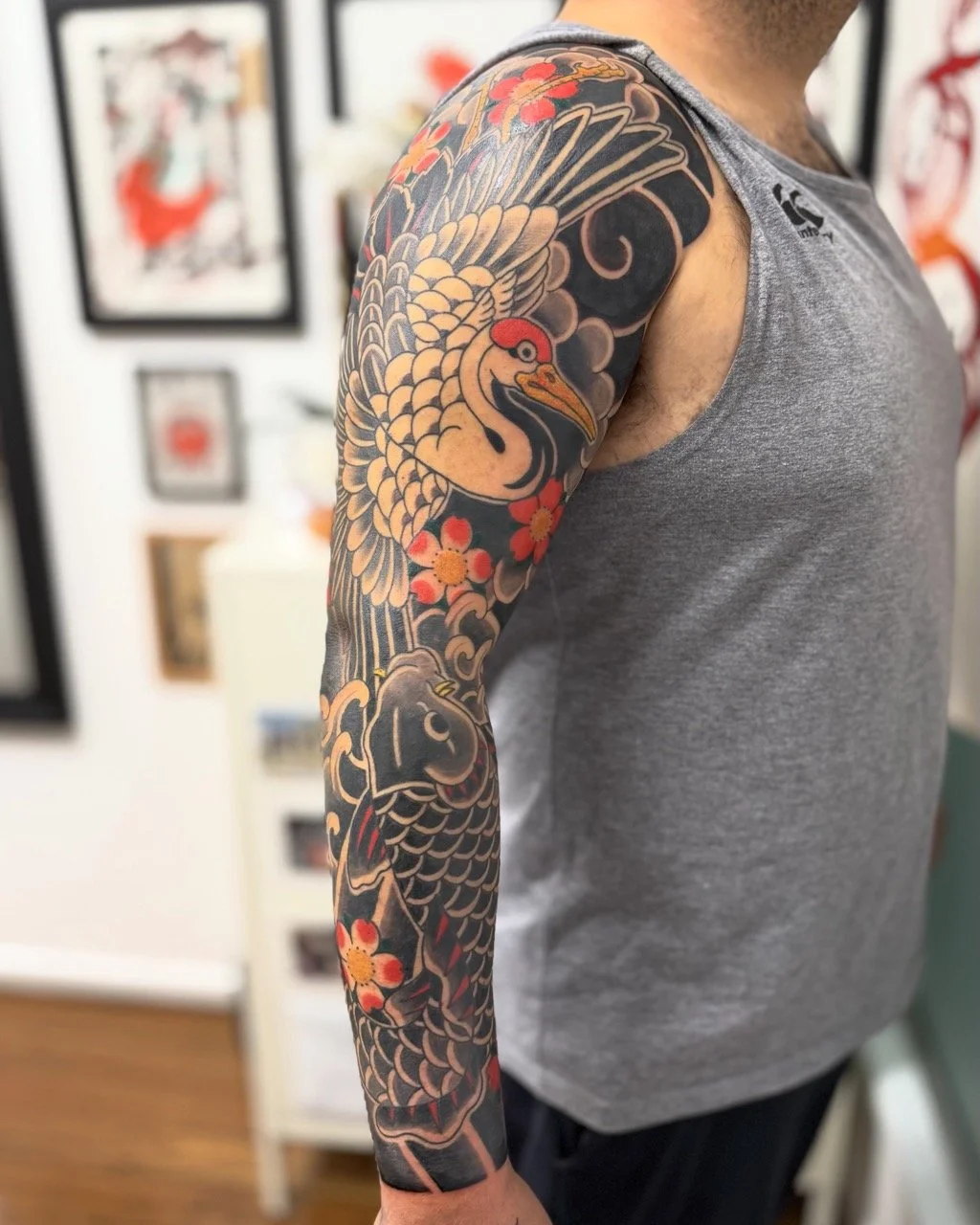
Crane, Koi & Sakura Japanese Irezumi Sleeve
A crane takes flight across the shoulder while a koi moves through the water below, connected by flowing wind, clouds and sakura. This six-day Japanese Irezumi tattoo sleeve was created for a client who travelled from Nelson to Auckland, with a muted palette and a small hidden detail representing his baby on the way.
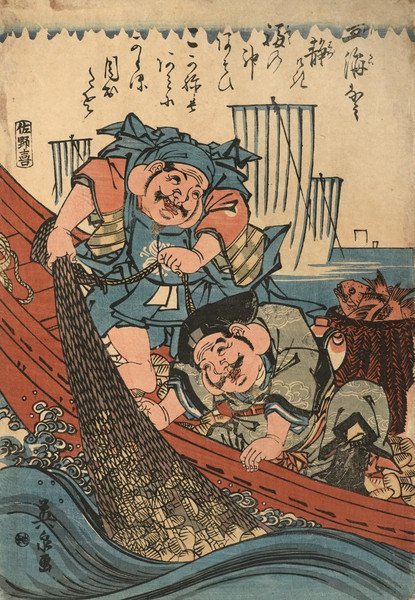
Ebisu: The Japanese God of Fishing, Fortune & Prosperity
Love fishing, the ocean or Japanese mythology but don’t want the usual koi? Meet Ebisu, the cheerful Japanese god of fishing, prosperity and good fortune, and a fascinating choice for a Traditional Japanese tattoo.
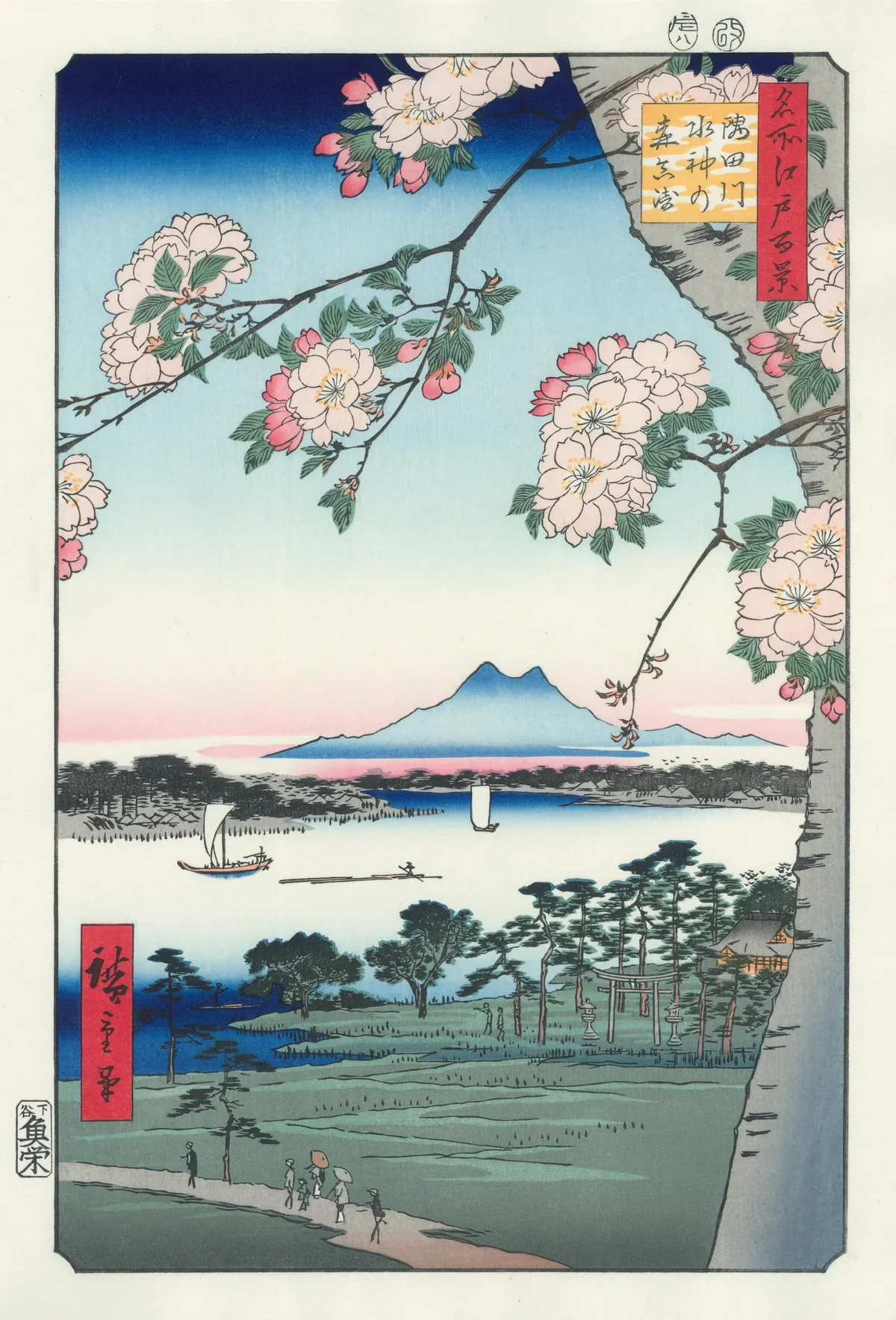
Hanami: The Japanese Tradition of Cherry Blossom Viewing
Spring is nearly here in New Zealand, bringing with it the beautiful sight of cherry blossoms. Discover the Japanese tradition of hanami, why sakura hold such special meaning, and how their fleeting beauty has become an important symbol in Japanese tattooing. 🌸
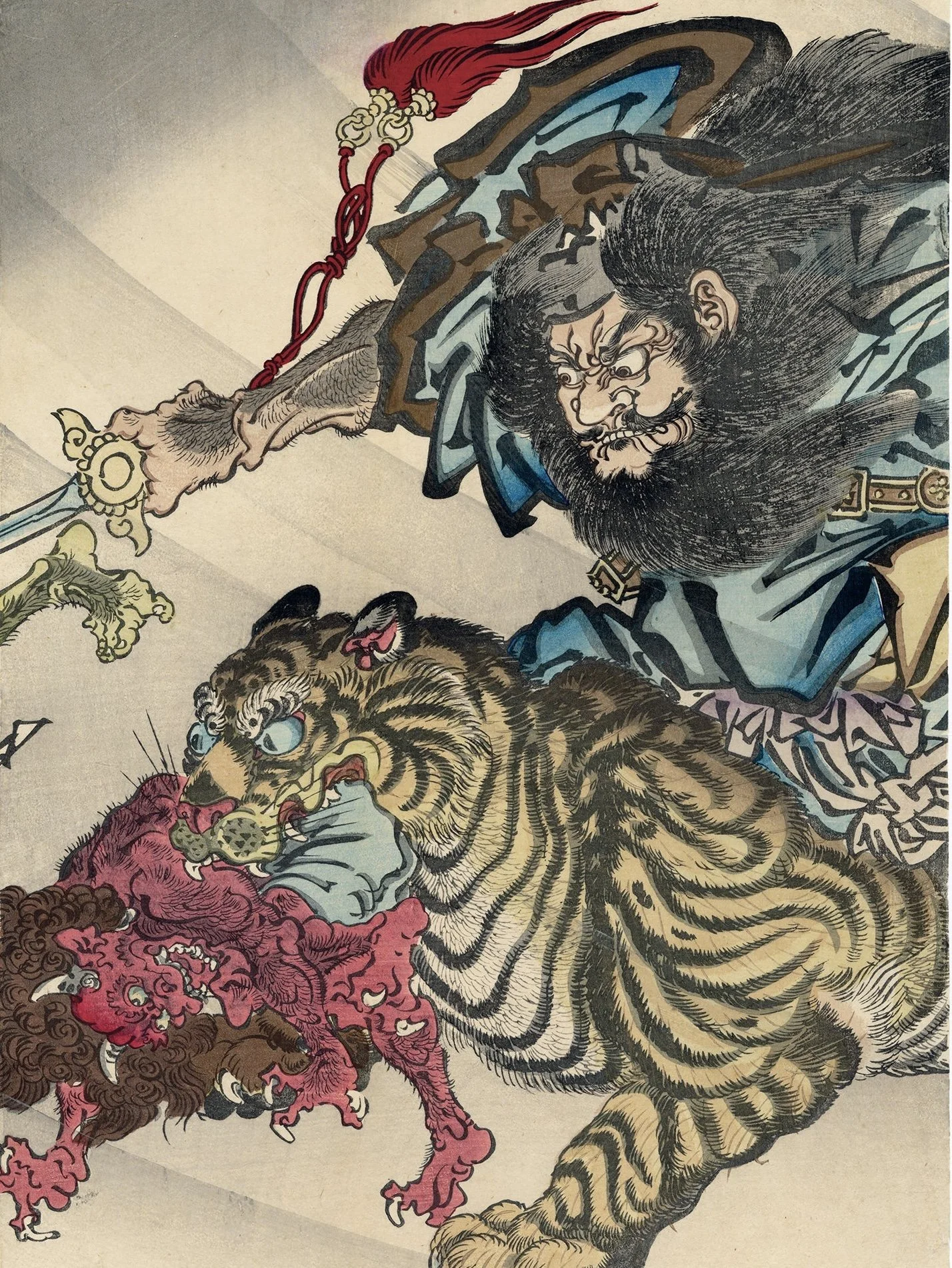
Shōki the Demon Conqueror: His Story, Symbolism and Place in Traditional Japanese Tattooing
Shōki, the Demon Conqueror, is a powerful but less commonly seen subject in traditional Japanese tattooing. Discover his Chinese origins, protective symbolism, distinctive clothing, mischievous oni and the bold brushstroke techniques that make him such an interesting subject to tattoo.
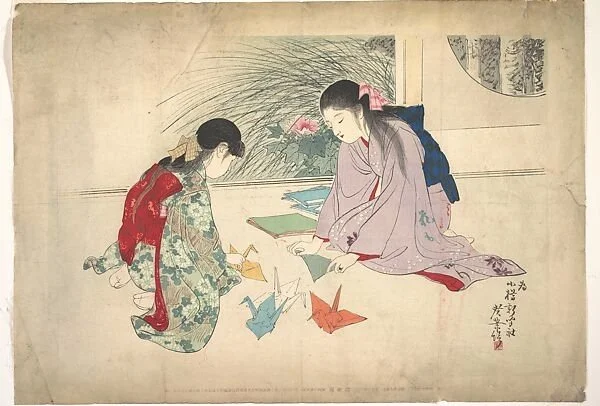
Remembering Hiroshima: August 6, 1945
A personal reflection on growing up in Hiroshima, childhood memories of Hiroshima Peace Day, and remembering the lives lost on August 6, 1945.
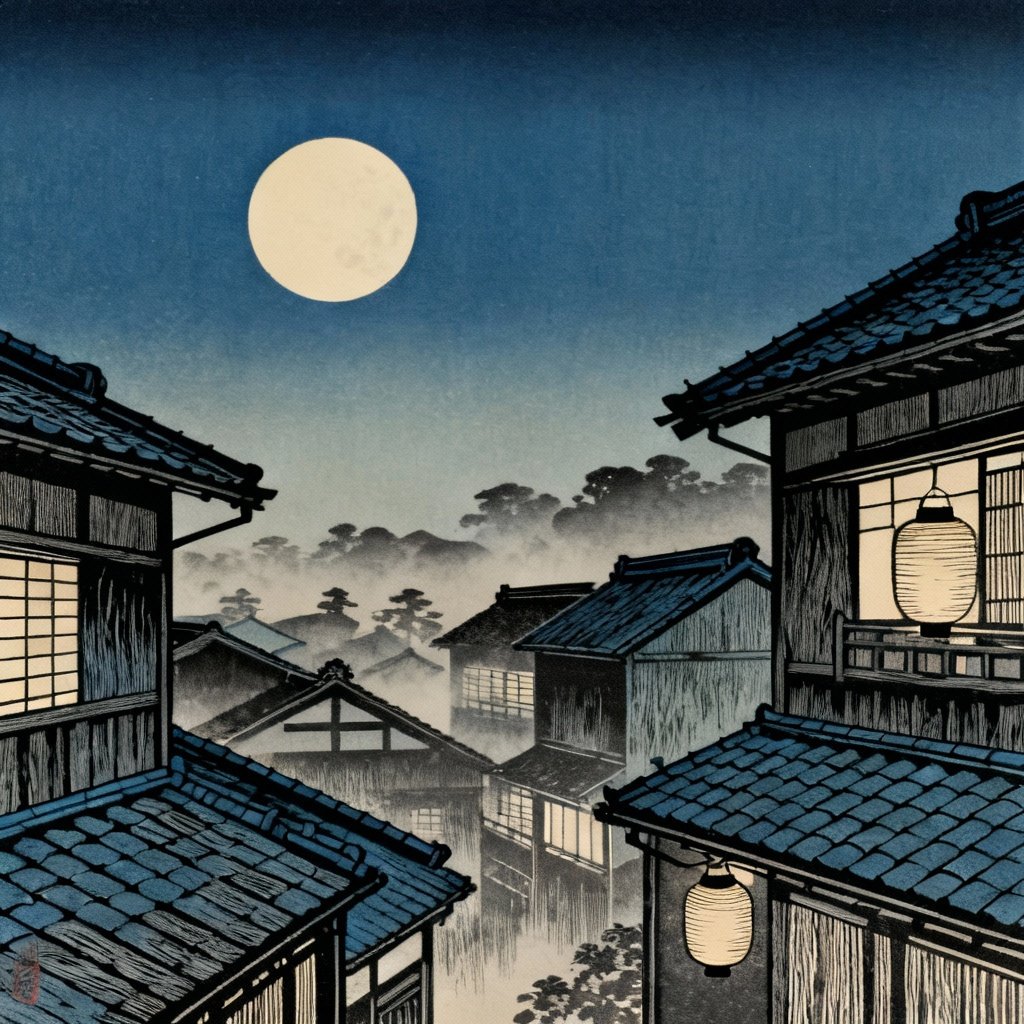
The Rebirth of Japanese Tattooing: How Tradition Is Thriving Once Again
Traditional Japanese tattooing has survived centuries of change, social stigma and shifting attitudes. Now, it’s entering a new chapter. Discover why irezumi is experiencing a revival in Japan and why its future has never looked brighter.
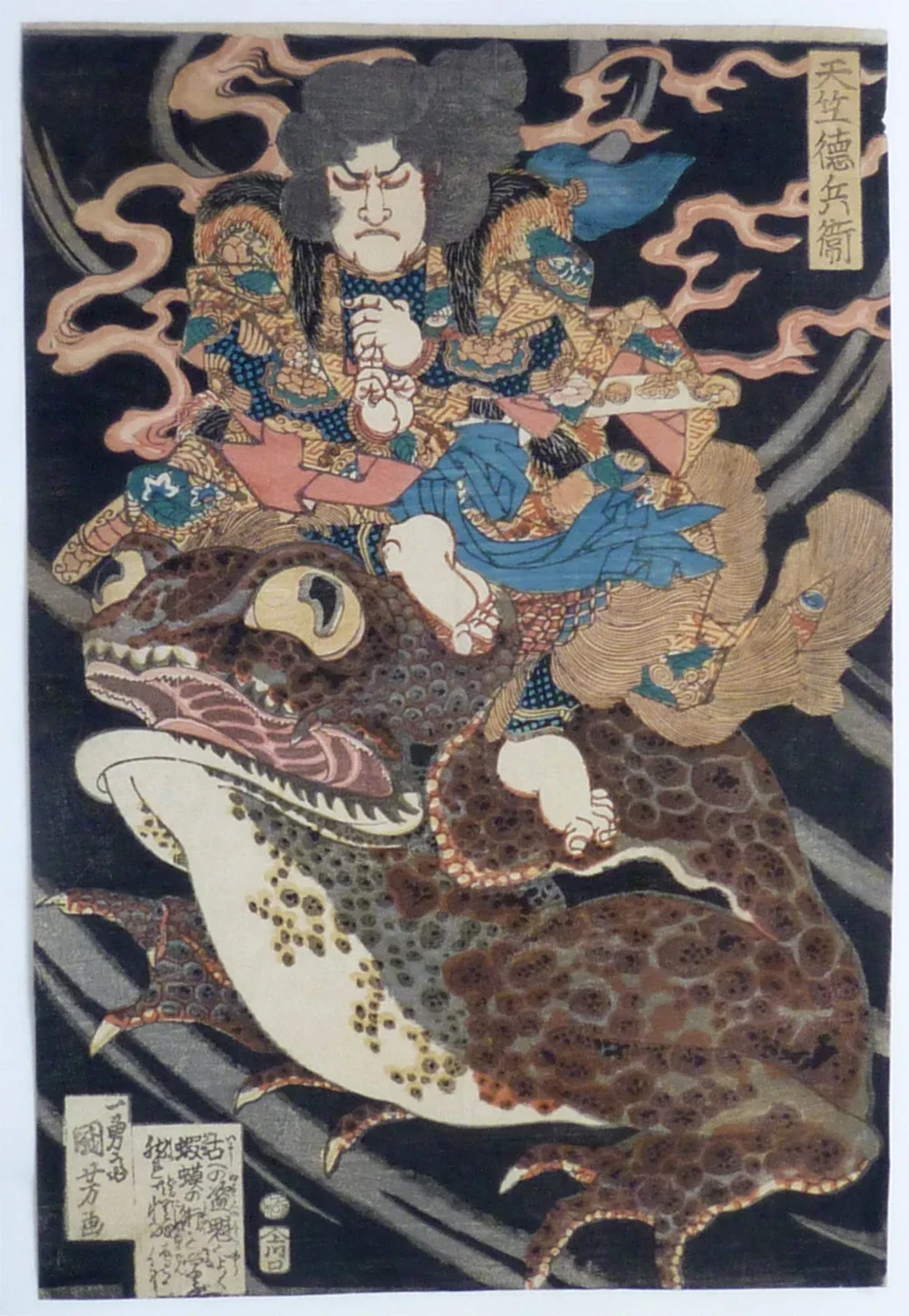
Jiraiya & Orochimaru: More Than Just Iconic Anime Characters
What makes a tattoo truly timeless? Sometimes the answer isn’t found in tattooing itself, but in stories that have been passed down for centuries. Jiraiya and Orochimaru may be famous through Naruto, but their origins lie much deeper in Japanese folklore. As a Japanese tattoo artist, they’re two of my favourite subjects to tattoo, not just because of their iconic designs, but because they create some of the most dynamic and visually striking compositions in traditional irezumi.
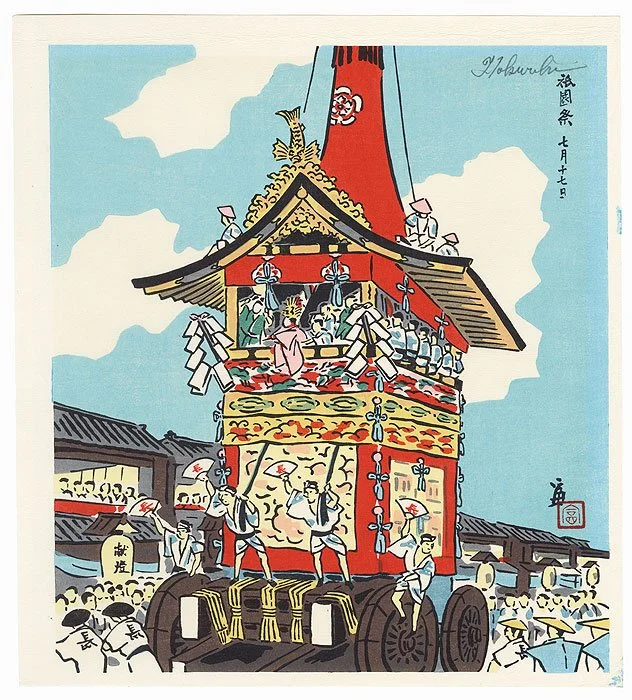
Gion Matsuri: Kyoto’s 1,100-Year-Old Festival of Protection, Tradition, and Living Art
Every July, Kyoto transforms into a city of towering wooden floats, ancient rituals, and centuries-old traditions. Discover how Gion Matsuri began as a ceremony to protect the city from disease, why it’s still organised by local communities over 1,100 years later, and what this remarkable festival can teach us about the enduring spirit of traditional Japanese culture
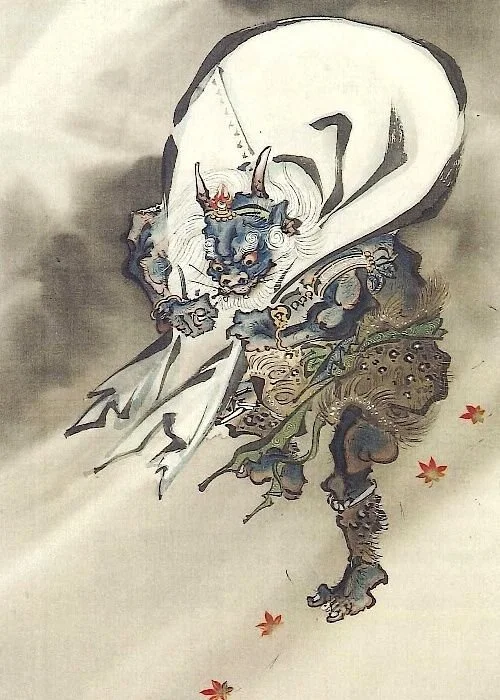
Raijin and Fujin: The Legendary Gods of Thunder and Wind
What do Raijin’s three toes and Fujin’s four toes represent? Discover the history, symbolism, and hidden details behind Japan’s legendary gods of thunder and wind—and why they have remained timeless subjects in traditional Japanese tattooing.
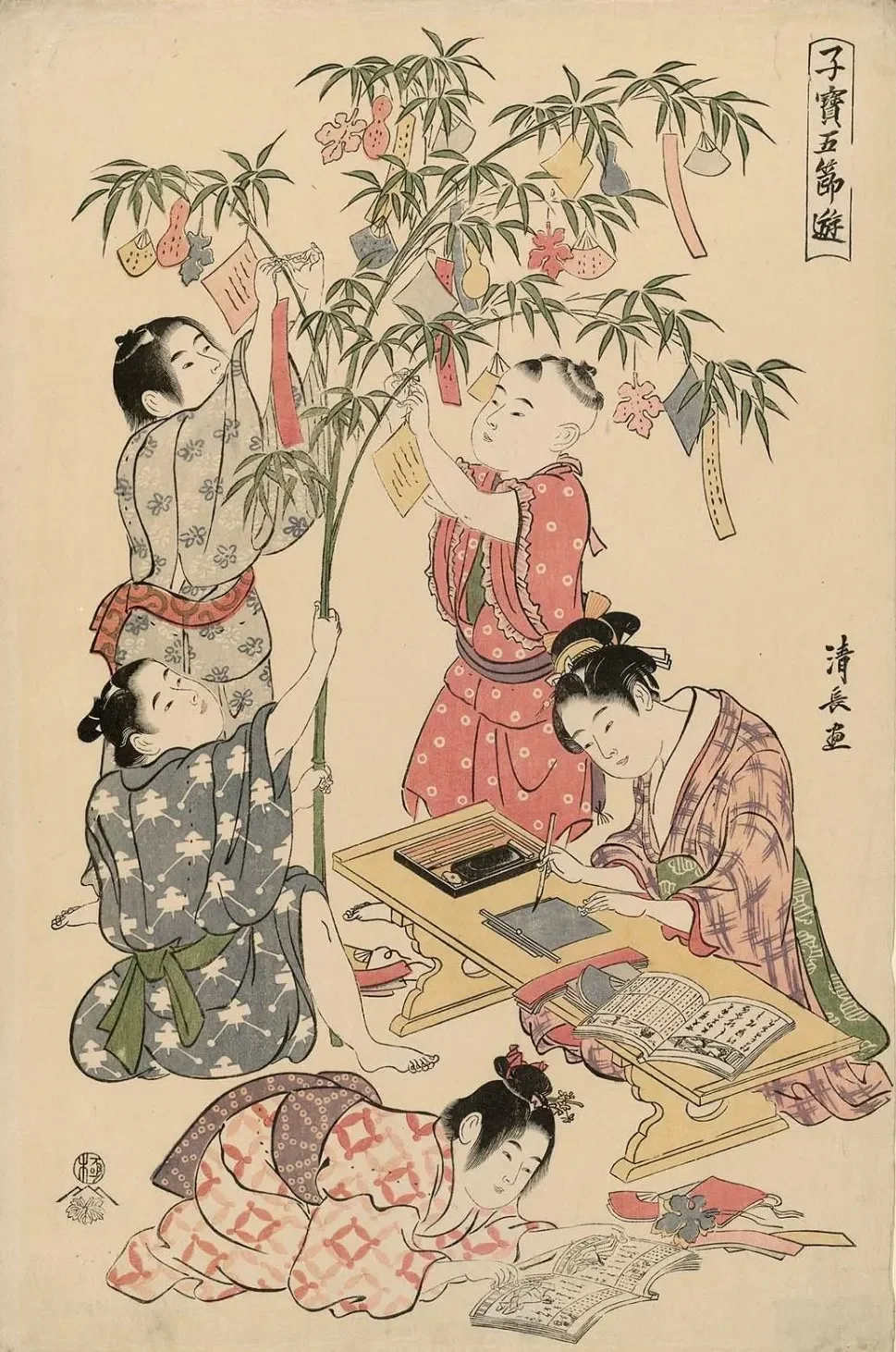
Tanabata: The Beautiful Japanese Legend of the Star-Crossed Lovers
Every year on July 7th, Japan celebrates one of its most romantic and beloved traditions: Tanabata (七夕), also known as the Star Festival. While many people know Japan for its beautiful temples, sushi, and cherry blossoms, it’s festivals like Tanabata that reveal the country’s rich folklore and deep appreciation for storytelling. As a Japanese tattoo artist in Auckland, I love sharing these stories because they offer a glimpse into the culture that inspires so much of traditional Japanese art.
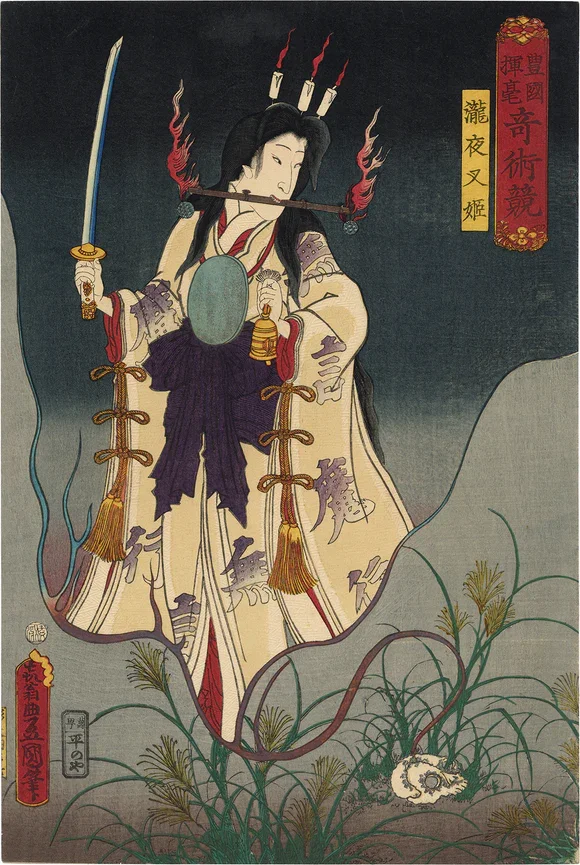
Takiyasha-hime: Japan’s Most Terrifying Ghost Story
Japan is filled with stories of legendary samurai, fearsome oni, and mysterious spirits. Yet few tales are as haunting—or as visually unforgettable—as the legend of Takiyasha-hime, the princess who summoned a giant skeleton from the darkness.
For anyone fascinated by Japanese mythology, traditional Japanese tattoos, or ukiyo-e art, this is one of the country’s most captivating ghost stories.
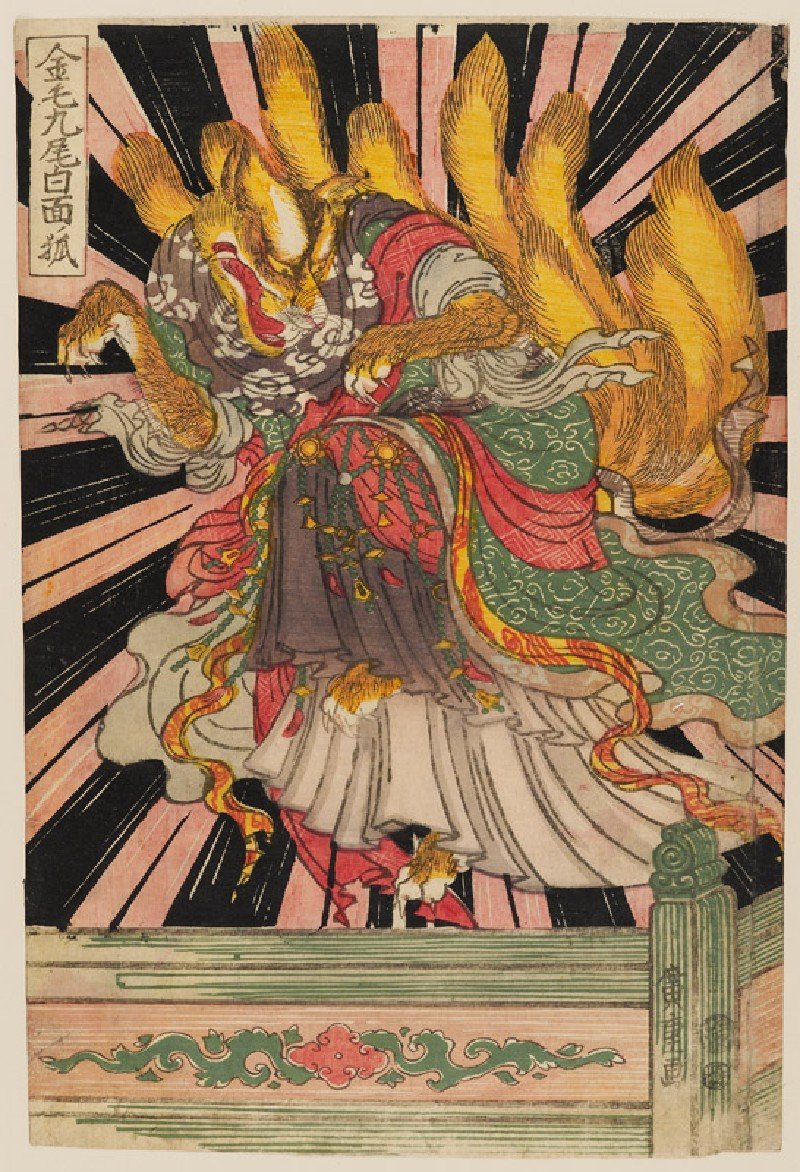
The Shape-Shifting Fox Spirits Behind Japanese Tattoos
Few creatures in Japanese folklore are as mysterious, beautiful, and misunderstood as the fox. Known as kitsune (狐), foxes occupy a unique place in Japanese culture, existing somewhere between the natural and supernatural worlds. In traditional Japanese tattooing (irezumi), kitsune designs carry deep symbolic meaning and often represent intelligence, transformation, protection, and the unpredictable nature of fate.
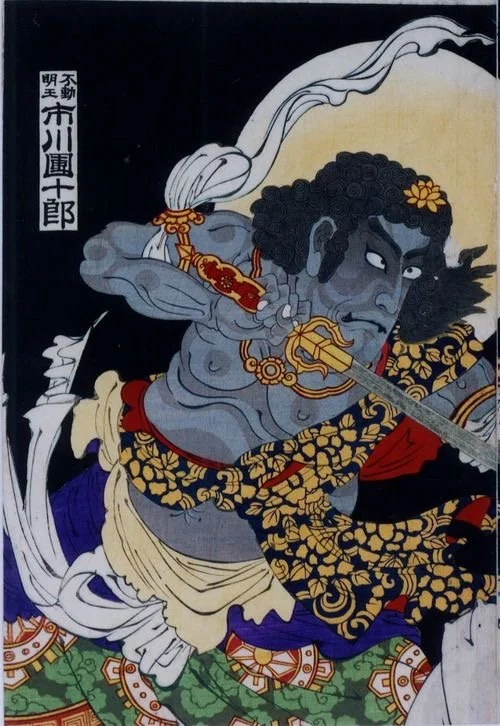
Fudo Myo-o Tattoo Meaning: The Immovable Wisdom King
Fudō Myō-ō (不動明王), often translated as “The Immovable Wisdom King,” is one of the most powerful and revered figures found in traditional Japanese tattooing. Originating from Esoteric Buddhism, he is a protector who represents unwavering determination, discipline, wisdom, and the ability to overcome life’s obstacles.
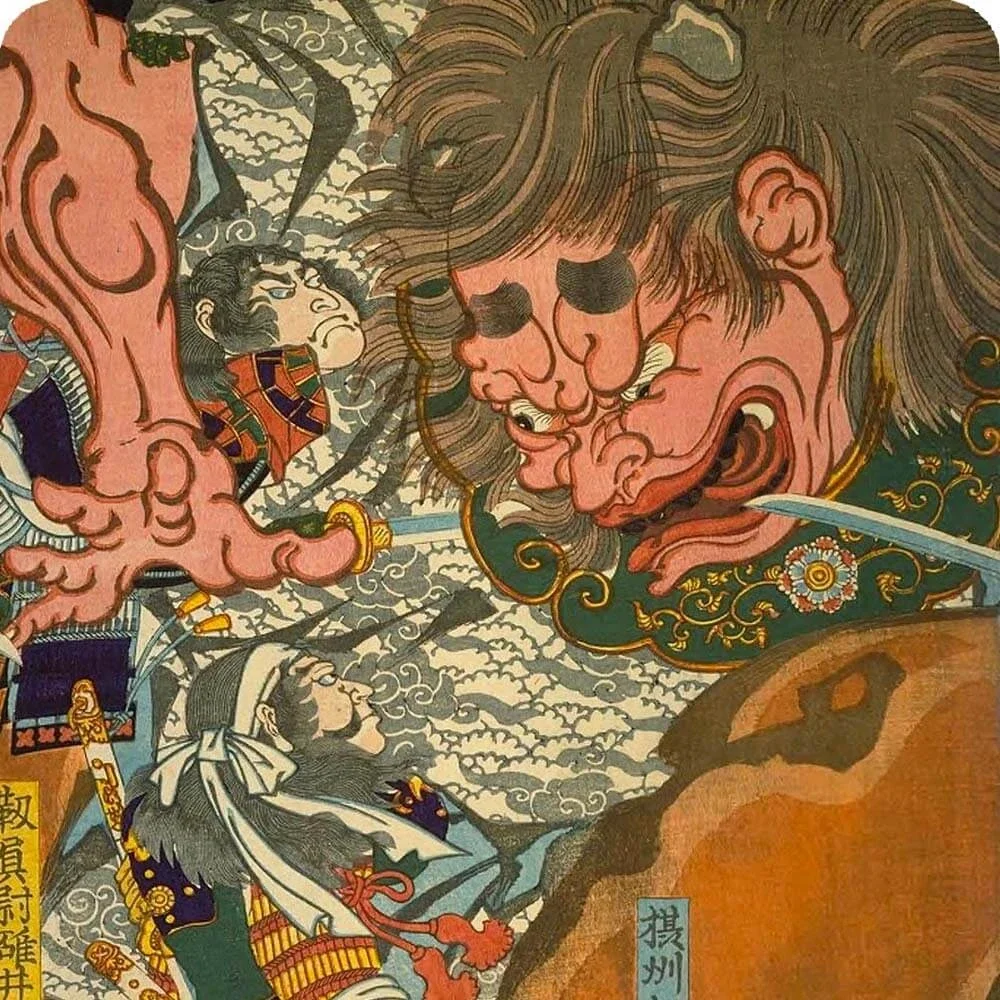
Shuten-dōji: The Demon King Behind Oni Tattoos
When most people think of Japanese oni, they picture fierce red or blue demons with horns, fangs, and terrifying expressions. Oni have become one of the most recognizable subjects in Japanese tattooing, but many people don’t know the legend behind Japan’s most famous demon: Shuten-dōji
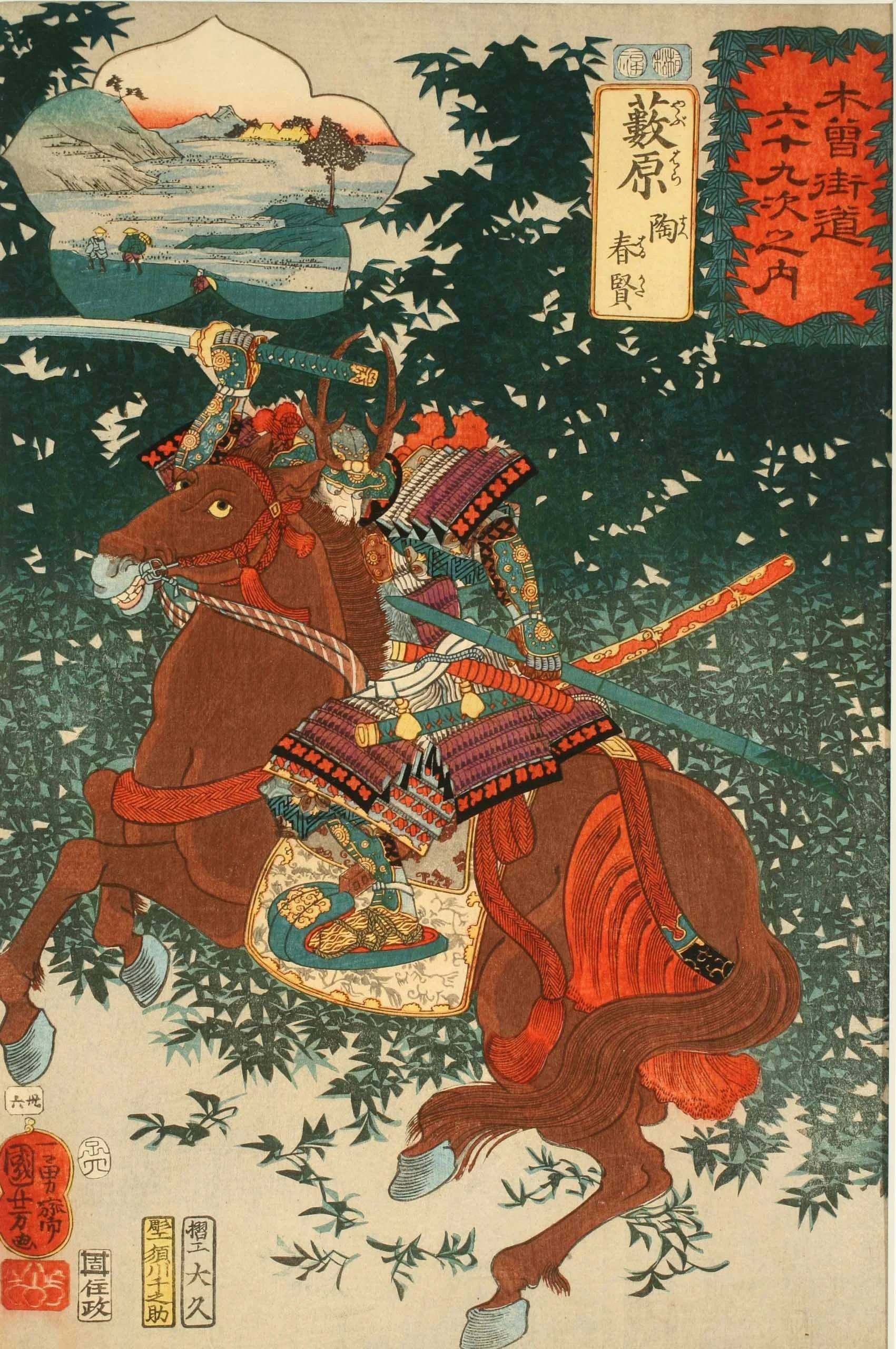
The Spirit of the Horse: Year of the Horse Symbolism, Japanese Folklore & Traditional Irezumi
The Horse is the seventh animal of the Chinese Zodiac and holds a special place throughout East Asian culture, including Japan. People born in the Year of the Horse are often associated with independence, ambition, determination and an adventurous spirit. They are known for their energy, confidence and ability to keep moving forward no matter what obstacles stand in their way.
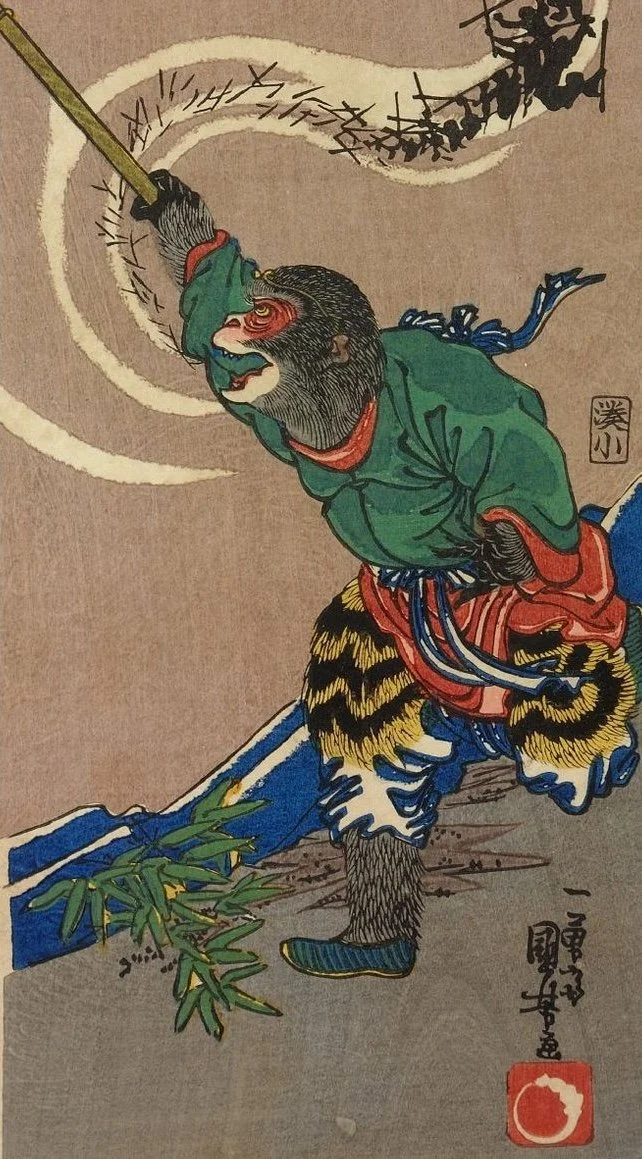
Monkey King, Masks & Mythology: Japanese Monkey Tattoos Explained
From the legendary Monkey King to traditional monkey masks, monkey imagery can represent intelligence, adaptability, protection and playful rebellion. For those looking for a unique Japanese tattoo in Auckland or throughout New Zealand, monkeys offer a subject that feels both traditional and distinctive.
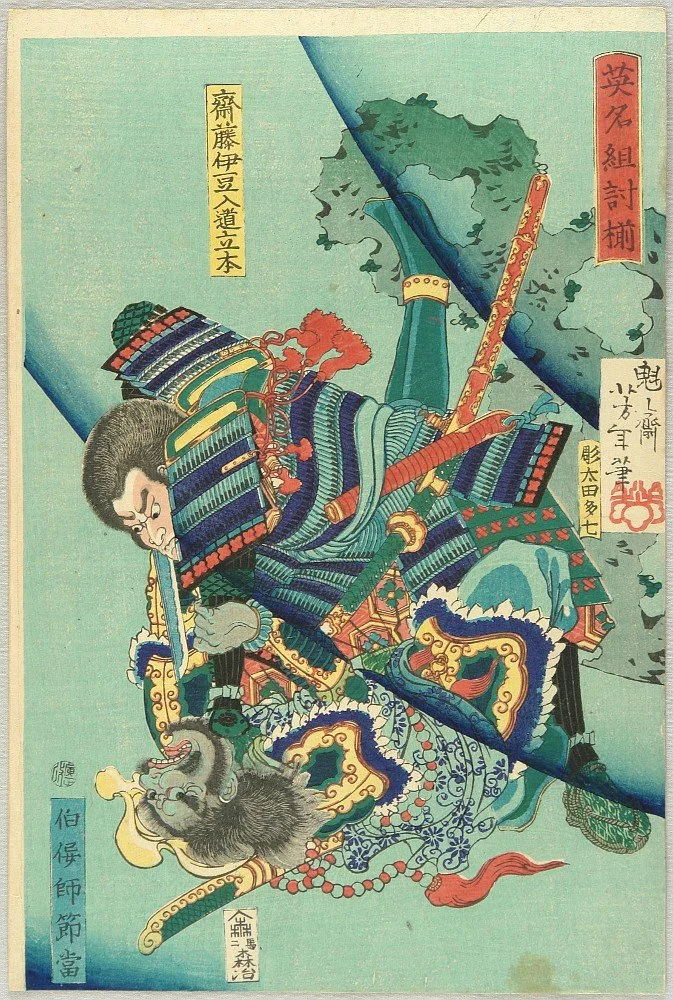
Why Samurai Make Great Tattoos
Samurai have remained one of the most enduring subjects in Japanese tattooing for good reason. Beyond their striking appearance, samurai imagery carries themes of discipline, loyalty, resilience, and courage — qualities that naturally lend themselves to large-scale irezumi.
Visually, samurai tattoos offer an incredible amount of detail and variety. From dramatic battle scenes and fierce expressions to intricate armour and weaponry, they create tattoos that feel powerful and timeless
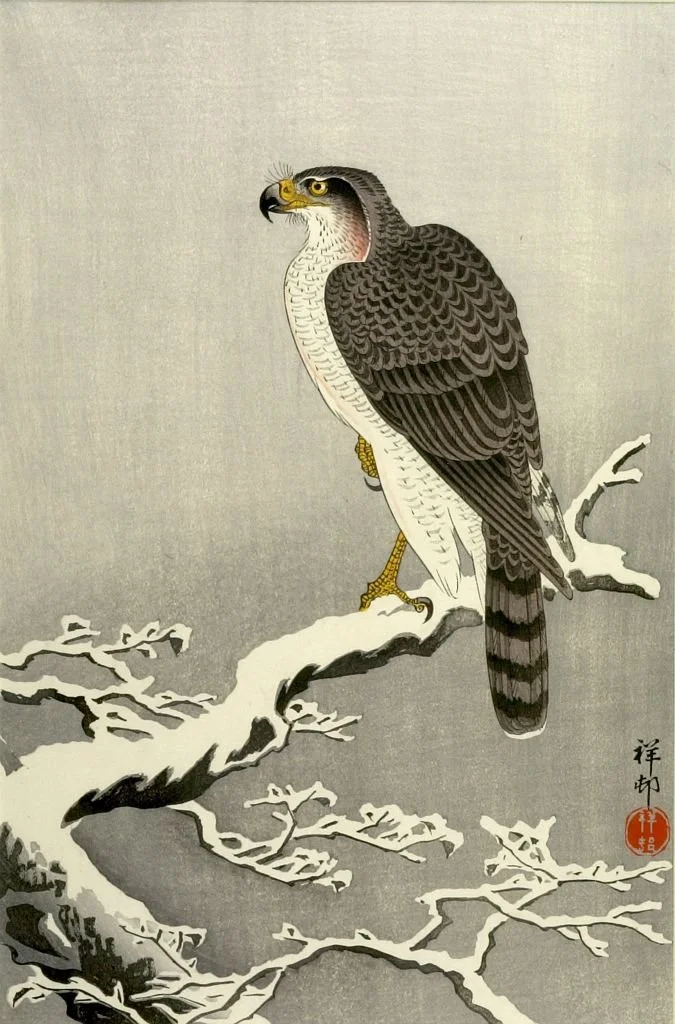
Winter in Irezumi: Japanese Tattoo Themes for the Colder Season
With winter arriving in New Zealand, it felt like the perfect time to talk about winter-inspired themes in Japanese tattooing. From hawks and cranes to ume blossoms, pine, bamboo, and darker folklore subjects, winter imagery carries a quieter and more atmospheric feeling within irezumi. Winter is also one of the best times to begin a large-scale Japanese tattoo project, with cooler weather making healing easier and tattoos naturally protected from harsh sun and swimming. In this blog, I share some traditional winter motifs often seen in Japanese art and how they translate into timeless irezumi compositions.
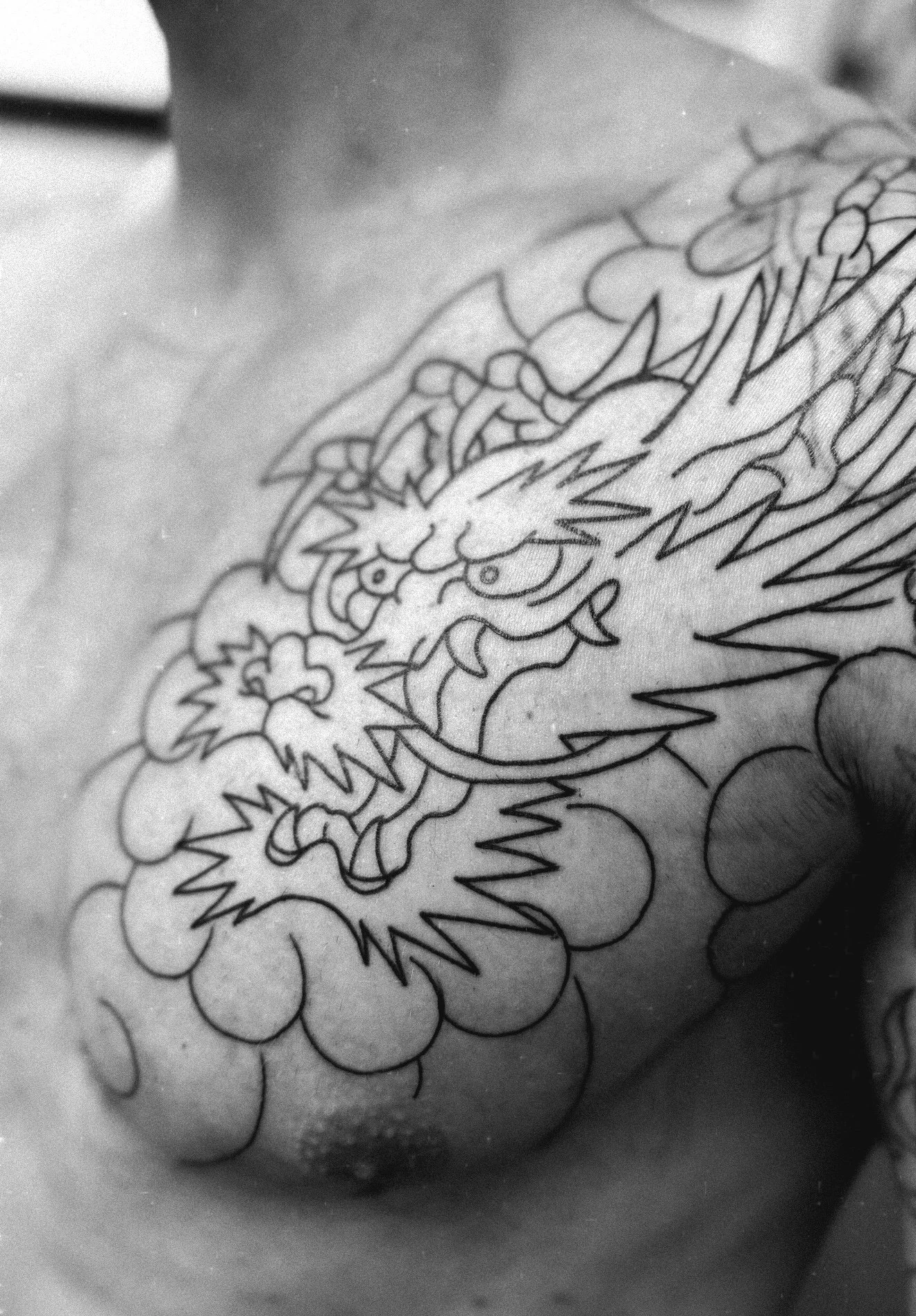
Chest Plates in Japanese Tattooing: Over or Under the Nipple?
A common question when planning a Japanese tattoo chest plate is whether the design should go over the nipple or leave it exposed. There is no strict right or wrong answer, but each approach changes the overall look and feeling of the piece quite dramatically.