The Rebirth of Japanese Tattooing: How Tradition Is Thriving Once Again
Traditional Japanese tattooing, known as irezumi, is far more than decorative body art. It is one of the world’s oldest and most sophisticated tattoo traditions, combining mythology, folklore, symbolism and masterful composition into artwork designed to flow naturally across the human body.
Every dragon, koi, peony, tiger and oni has meaning. Every background element is carefully considered. Every sleeve and bodysuit is designed as a complete composition rather than a collection of individual images.
This is why traditional Japanese tattooing continues to captivate collectors around the world, including many here in New Zealand. To me, Japanese tattooing is a living piece of Japanese culture.
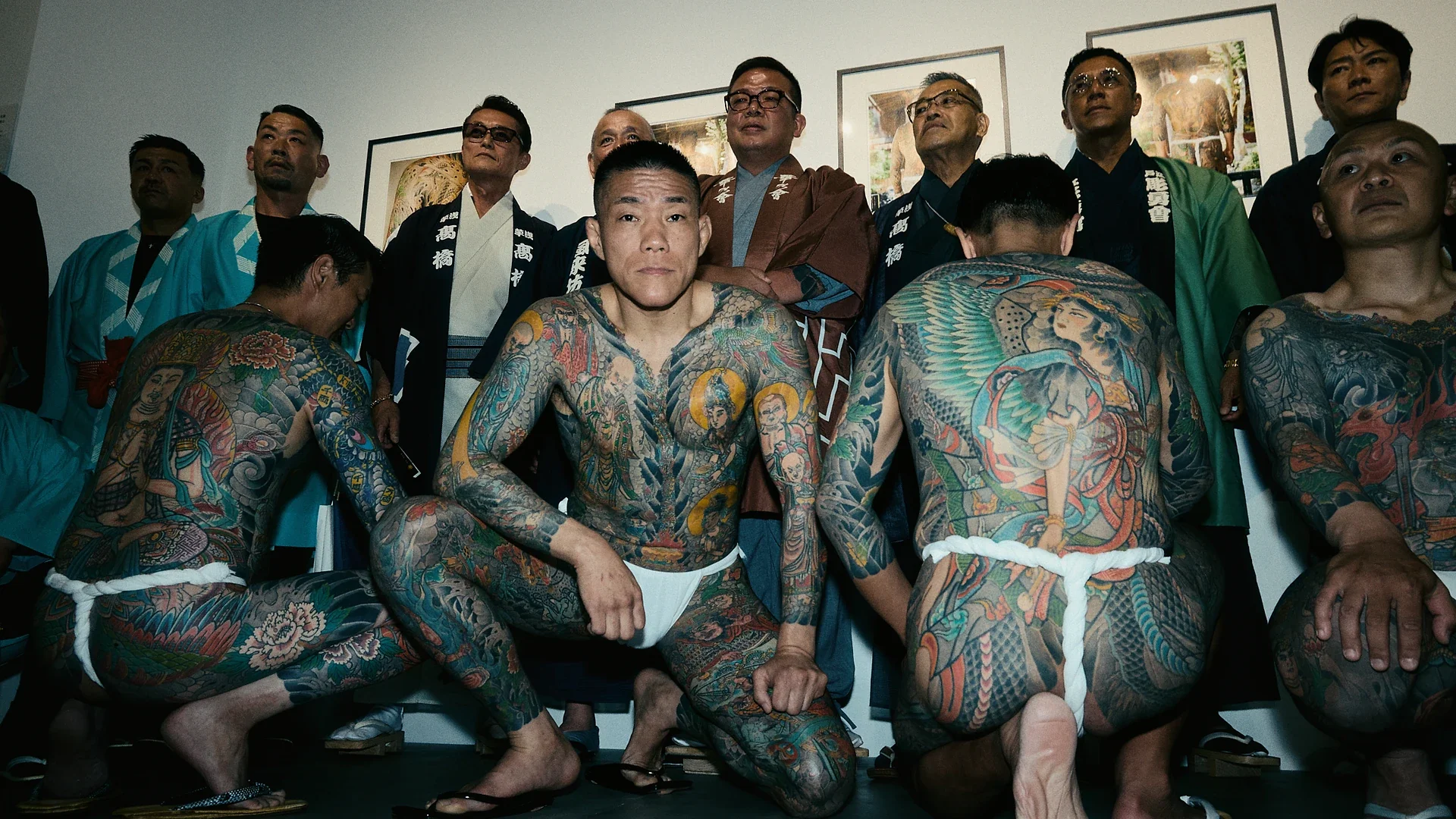
‘The Japanese Tattoo’ presented by Komiyama. Photo by Analicia Graca. July 4–20 at Komiyama Tokyo G. 2026
From Stigma to Celebration
For decades, tattoos in Japan carried a heavy social stigma. Yet this wasn’t always the case. During the Edo period, decorative tattoos were admired by many members of the working class, particularly firefighters, labourers and craftsmen. They were symbols of courage, resilience and identity, and the elaborate full-body designs of irezumi became a unique form of Japanese artistic expression.
Over time, however, Japan’s relationship with tattoos changed. Earlier practices of tattooing criminals as punishment, followed by the adoption of large-scale tattoos among members of the yakuza, gradually transformed public perception. As tattoos became increasingly associated with organised crime, they came to be viewed with suspicion, and that stigma extended to anyone who wore them.
Because of this association, many public facilities—including gyms, swimming pools and onsen—prohibited anyone with visible tattoos. Government policies and social attitudes meant that generations of Japanese people grew up viewing tattoos as something to avoid rather than appreciate.
Despite this, traditional Japanese tattooing never truly disappeared. Master tattoo artists continued their work behind closed doors. Apprentices continued to dedicate themselves to the craft. Collectors continued to wear full bodysuits with immense pride and respect. The tradition survived because there were people within Japan who refused to let centuries of knowledge disappear.
That quiet perseverance deserves enormous respect. Without those artists and collectors, there would be no tradition for the rest of the world to admire today.
A New Generation Is Rediscovering Irezumi
Today, attitudes are slowly beginning to change.
More young Japanese collectors are embracing traditional Japanese tattoos, not as symbols of rebellion, but as expressions of history, craftsmanship and cultural identity.
At the same time, museums have begun recognising Japanese tattooing as an important artistic tradition. Recent exhibitions celebrating irezumi and the work of respected horishi have introduced wider audiences to the incredible skill, discipline and history behind the craft.
Seeing Japanese tattooing displayed in museums rather than hidden from public view represents an important cultural shift.
It reminds us that irezumi deserves to be appreciated alongside Japan’s other celebrated art forms.

Perseverance: Japanese Tattoo Traditions in a Modern World - Installation View from ‘The Japanese Tattoo’ 2026
Even Onsen Are Beginning to Change
One of the biggest challenges for tattooed travellers has always been visiting Japan’s famous onsen.
While many traditional hot springs still prohibit tattoos, an increasing number now welcome tattooed guests or provide options for those with smaller tattoos. As international tourism continues to grow, more businesses are adapting while still respecting local customs.
This gradual shift may seem small, but it reflects something much larger.
Japan’s relationship with tattoos is evolving.

Dai-ichi Takimotokan 第一滝本館. Tattoo friednly onsen in Noboribetsu, Hokkaido Japan
Japanese Tattooing Has Always Been Kept Alive
Sometimes people say that foreigners have “saved” Japanese tattooing.
I don’t believe that’s entirely true.
Traditional Japanese tattooing survived because generations of Japanese horishi devoted their lives to protecting it, even when doing so was difficult. They continued tattooing through decades of misunderstanding, preserving techniques, compositions and stories that might otherwise have been lost.
Without those artists, there would be no tradition for the rest of us to admire.
At the same time, it’s equally true that artists and collectors around the world have played an important role in helping the art form continue to flourish.
As interest in traditional Japanese tattooing grew internationally, thousands of people chose to dedicate their bodies to large-scale irezumi. They sought out knowledgeable artists, invested years into completing sleeves and bodysuits, and developed a genuine appreciation for the history behind the work.
That global admiration has helped ensure that traditional Japanese tattooing remains a living, evolving art form rather than a forgotten chapter of history.
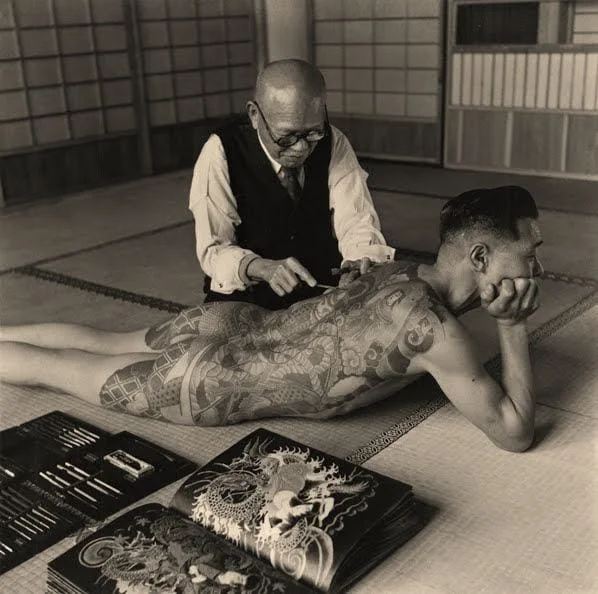
Tokumitsu Uchida tattooing using Tebori
Respect Matters More Than Nationality
I don’t believe traditional Japanese tattooing belongs only to one nationality. I believe it belongs to those who approach it with genuine respect.
This isn’t about cultural appropriation.
It’s about cultural appreciation.
Respect doesn’t mean you need to become an expert in Japanese history before getting tattooed. It begins with choosing an artist who has dedicated years to studying the traditions, symbolism and composition that make irezumi such a unique art form.
As the client, your role is simply to come with an open mind and a willingness to trust the process. A knowledgeable artist will guide you through the imagery, explain the symbolism behind your design and create a tattoo that honours the tradition while reflecting your own story.
That’s how Japanese tattooing has always been passed on—not just through artists, but through the relationship between artist and collector. When that relationship is built on trust, respect and a genuine appreciation for the art, the tradition continues to thrive.
Why This Matters to Me
As a Japanese tattoo artist in Auckland, New Zealand, I feel incredibly fortunate to contribute to this tradition.
Every client who chooses a traditional Japanese tattoo isn’t simply getting inked. They’re becoming part of an art form that has been refined over centuries and preserved through extraordinary dedication.
Whether it’s a Japanese sleeve tattoo, a back piece or the beginning of a full bodysuit, my aim is to give every project the same care, respect and understanding that has always defined irezumi.
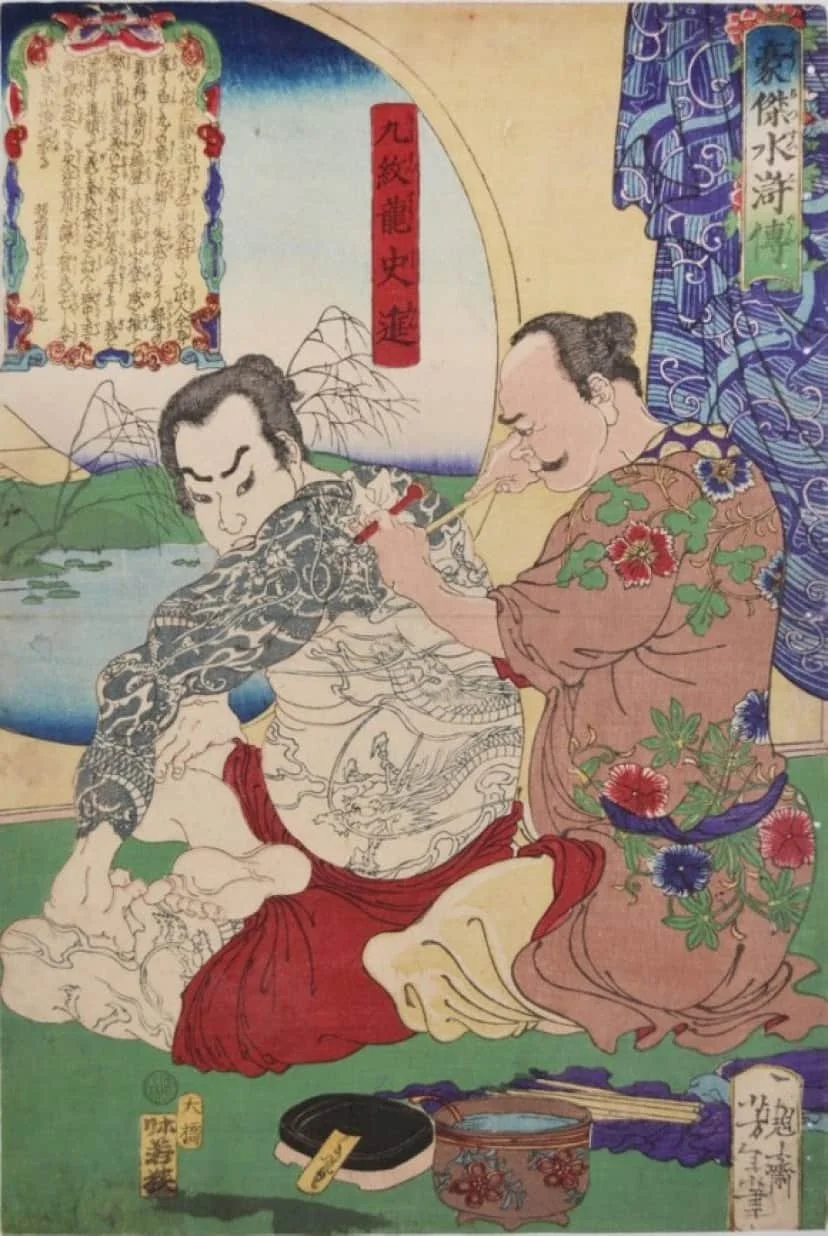
Tsukioka Yoshitoshi, titled "The Nine-Dragoned Shi Jin"
The Future of Japanese Tattooing
The future of Japanese tattooing looks brighter than it has in decades.
Museums are recognising its artistic significance. More tattoo-friendly onsen are opening their doors. A new generation of Japanese collectors is rediscovering irezumi, while artists and collectors around the world continue to celebrate the tradition with genuine admiration and respect.
That’s something worth celebrating.
Traditional Japanese tattooing has endured because every generation has chosen to protect it. Today, we have the privilege of helping it continue—not by changing it, but by honouring the traditions that have made it one of the world’s most respected tattoo art forms.
If you’ve been thinking about beginning your own Japanese tattoo journey, I hope this article has given you a deeper appreciation for the history and craftsmanship behind irezumi.
As a Japanese tattoo artist based in Auckland, I feel incredibly grateful to play a small part in preserving and sharing this beautiful art form here in New Zealand. Whether you’re considering your first Japanese tattoo or planning a full bodysuit, I’d be honoured to help you create something that you’ll wear proudly for the rest of your life.
Because when created with respect, a traditional Japanese tattoo becomes more than just ink on skin. It becomes part of a living tradition that continues to inspire people across Japan and around the world.
Thank you for reading.