The Spirit of the Horse: Year of the Horse Symbolism, Japanese Folklore & Traditional Irezumi
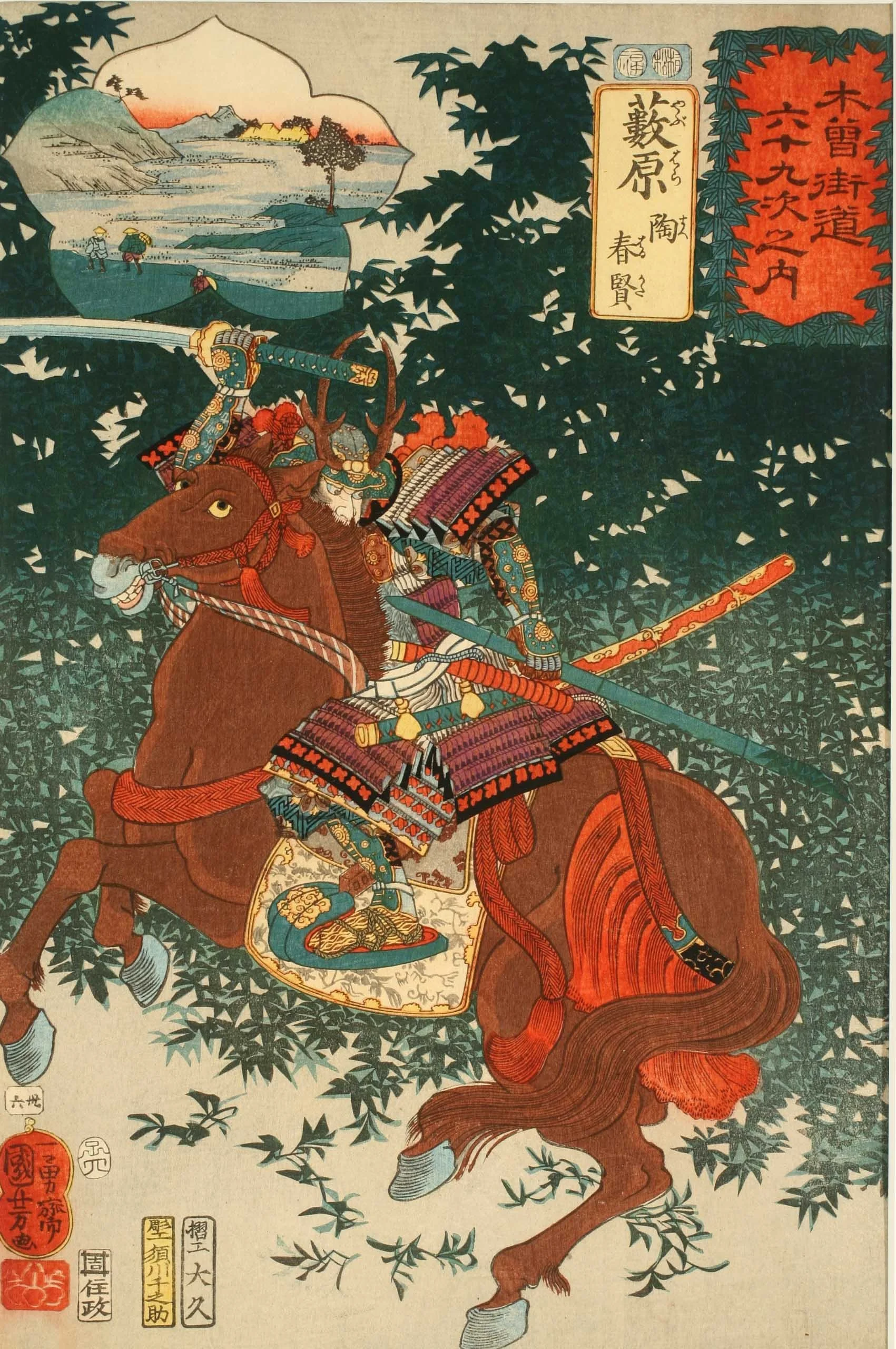
The Horse is the seventh animal of the Chinese Zodiac and holds a special place throughout East Asian culture, including Japan. People born in the Year of the Horse are often associated with independence, ambition, determination and an adventurous spirit. They are known for their energy, confidence and ability to keep moving forward no matter what obstacles stand in their way.
In Japanese culture, horses have long been admired as powerful and noble animals. They were essential companions to samurai, symbols of prestige and important messengers between the human and spiritual worlds.
These qualities make the horse a powerful subject for Japanese tattoos, representing freedom, perseverance and unwavering strength.
Horses in Japanese Folklore
Throughout Japanese history, horses have held both practical and spiritual significance.
One of the most famous examples can be found at shrines across Japan, where horses were traditionally offered to the gods as sacred animals. In some shrines, live horses were kept as divine messengers, while painted wooden plaques known as ema were offered instead. Even today, visitors write wishes and prayers on ema before hanging them at shrines.
Horses were also closely linked to samurai culture. A skilled warrior was expected to master both horsemanship and archery, creating an enduring image of the mounted samurai charging into battle. Because of this connection, horses became symbols of courage, loyalty and martial strength.
In Japanese folklore, white horses were often believed to possess spiritual qualities and were associated with purity, protection and blessings from the gods.
The Horse in Japanese Tattooing
Horse tattoos are less common than dragons, koi or tigers, making them an excellent choice for collectors looking for something unique while remaining deeply rooted in Japanese tradition.
A Japanese horse tattoo can symbolize:
Freedom and independence
Strength and endurance
Determination and perseverance
Loyalty and courage
Success through hard work
A strong connection to the Year of the Horse
The dynamic movement of a galloping horse also makes it particularly well suited to large-scale Japanese tattoo compositions. Flowing manes, powerful muscles and dramatic movement create a design that works beautifully across backs, ribs/stomach and full body suits.
Popular Japanese Horse Tattoo Designs
Galloping Horse
A horse in full stride represents freedom, momentum and the drive to pursue one’s goals without hesitation.
White Sacred Horse
Inspired by shrine horses and Japanese folklore, a white horse can symbolize purity, protection and divine guidance.
Samurai Horse
A horse combined with samurai armour, banners or historical warriors creates a powerful tattoo representing courage, discipline and honour.
Horse with Cherry Blossoms
Cherry blossoms remind us of life’s fleeting nature, while the horse represents strength and determination. Together they create a balanced design reflecting both power and appreciation for life’s temporary beauty.
Horse with Wind and Waves
Traditional Japanese backgrounds featuring wind bars and waves can emphasize the horse’s speed and energy while maintaining a classic Irezumi aesthetic.
Is a Horse Tattoo Right for You?
Horse tattoos are ideal for individuals who value independence, resilience and personal growth. They appeal to people who have overcome challenges, forged their own path or simply identify with the energetic and determined spirit of the Horse.
Whether you’re born in the Year of the Horse or simply drawn to its symbolism, a Japanese horse tattoo offers a unique alternative to more common subjects while still carrying deep cultural significance.
Japanese Horse Tattoos by Horiyama
I specialise in large-scale Japanese tattooing inspired by traditional Irezumi. Every horse tattoo is custom designed to suit the body, allowing the movement and power of the subject to flow naturally with the wearer.
Whether you’re interested in a horse sleeve, back piece or full Japanese body suit, I can help create a design that reflects both traditional Japanese aesthetics and your own personal story.
If you’re considering a Japanese horse tattoo, feel free to get in touch to discuss your ideas and start planning your project.
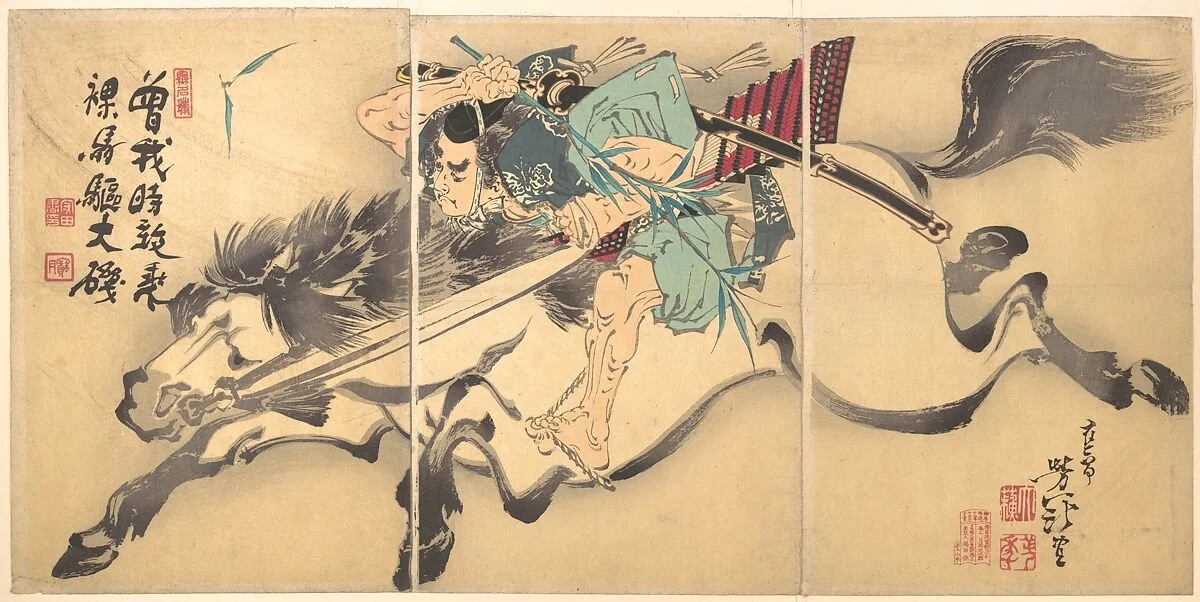
Horse and Rider - Tsukioka Yoshitoshi (Japanese, 1839–1892)