The Shape-Shifting Fox Spirits Behind Japanese Tattoos
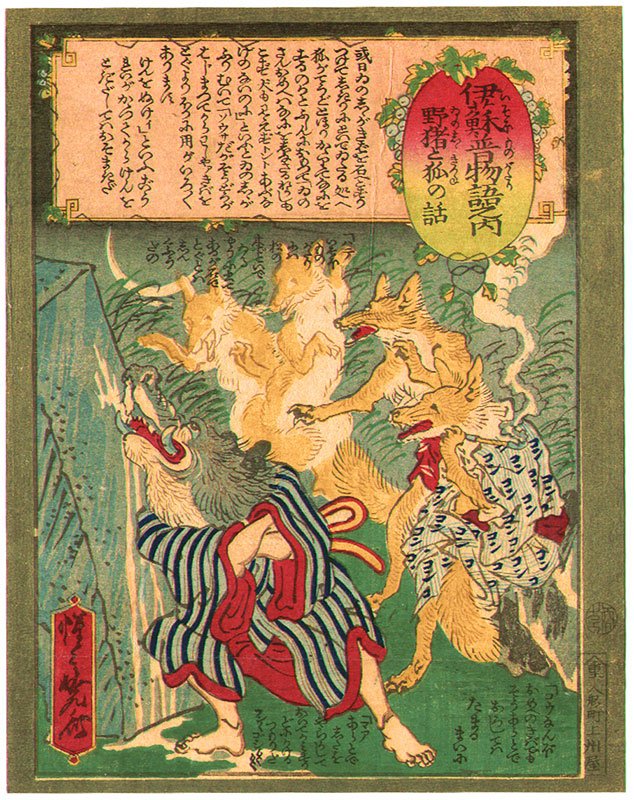
Wild Boar and Fox - Tales of Aesop - Kyosai Kawanabe 1831-1889
Few creatures in Japanese folklore are as mysterious, beautiful, and misunderstood as the fox. Known as kitsune (狐), foxes occupy a unique place in Japanese culture, existing somewhere between the natural and supernatural worlds. In traditional Japanese tattooing (irezumi), kitsune designs carry deep symbolic meaning and often represent intelligence, transformation, protection, and the unpredictable nature of fate.
What is a Kitsune?
In Japanese folklore, a kitsune is a fox yokai—a supernatural being with magical abilities. Unlike the foxes found in nature, kitsune are believed to gain wisdom, power, and additional tails as they age. The most powerful kitsune possess nine tails, becoming known as kyūbi no kitsune (九尾の狐), or the Nine-Tailed Fox.
Kitsune are famous for their ability to shape-shift, often taking the form of beautiful women, monks, travelers, or even members of a person’s family. Stories of foxes deceiving humans have been told throughout Japan for centuries, creating a rich body of folklore that continues to inspire artists today.
Kitsune and Yokai
To understand kitsune, it is important to understand the concept of yokai (妖怪). Yokai are supernatural beings, spirits, monsters, and strange phenomena that exist throughout Japanese folklore. Some yokai are dangerous, while others are mischievous or even protective.
Kitsune belong to this broader world of yokai but are unique because they are often portrayed with both benevolent and malevolent qualities. They can act as tricksters, testing human pride and greed, or as guardians offering wisdom and protection.
This duality makes kitsune a particularly compelling tattoo subject. They represent the balance between light and shadow, intelligence and deception, beauty and danger.
The Connection Between Kitsune and Inari
One of the most important associations of the fox in Japan is with Inari, the Shinto deity of rice, agriculture, prosperity, and success. Foxes are believed to serve as messengers of Inari and are commonly found as stone statues at Inari shrines throughout Japan.
In tattooing, kitsune may be depicted alongside traditional Inari imagery such as:
Torii gates
Rice sheaves
Sacred jewels (hoju)
Shrine architecture
These designs often carry meanings related to prosperity, good fortune, guidance, and spiritual protection.
Kitsune in Japanese Tattooing
Traditional Japanese tattoo artists have long been drawn to kitsune as a subject because of their dramatic visual possibilities. Flowing tails, expressive eyes, and supernatural elements create dynamic compositions that work beautifully within the body.
Common kitsune tattoo imagery includes:
The White Fox
White foxes are often associated with Inari and are considered sacred. These tattoos typically symbolise protection, wisdom, purity, and good fortune.
The Nine-Tailed Fox
The Nine-Tailed Fox represents mastery, immense spiritual power, and enlightenment. The multiple tails create movement throughout a composition, making them especially effective in larger pieces such as sleeves and backpieces.
Shape-Shifting Fox Spirits
Some designs depict a fox transforming into a woman or reveal both forms simultaneously. These tattoos explore themes of illusion, hidden identity, transformation, and the masks people wear throughout life.
Fox Fire (Kitsunebi)
Many kitsune tattoos feature floating blue or green flames known as kitsunebi (“fox fire”). These ghostly flames are believed to be manifestations of spiritual energy and are commonly used to enhance the supernatural atmosphere of a design.
Symbolism of the Fox Tattoo
While meanings vary depending on the individual, kitsune tattoos are often associated with:
Intelligence and wisdom
Adaptability and resilience
Personal transformation
Spiritual awareness
Protection and guidance
Mystery and hidden knowledge
Independence and cunning
Because kitsune can embody both benevolent and mischievous qualities, they are also a reminder that life rarely exists in simple black-and-white terms.
A Timeless Subject
Whether depicted as a divine messenger of Inari, a powerful nine-tailed yokai, or a mysterious shape-shifting spirit, the kitsune remains one of the most fascinating figures in Japanese folklore.
For collectors of traditional Japanese tattooing, foxes offer a rare combination of strong symbolism, rich mythology, and striking visual impact. Their stories remind us that appearances can be deceiving, wisdom often comes through experience, and there is always more to the world than what we first see.
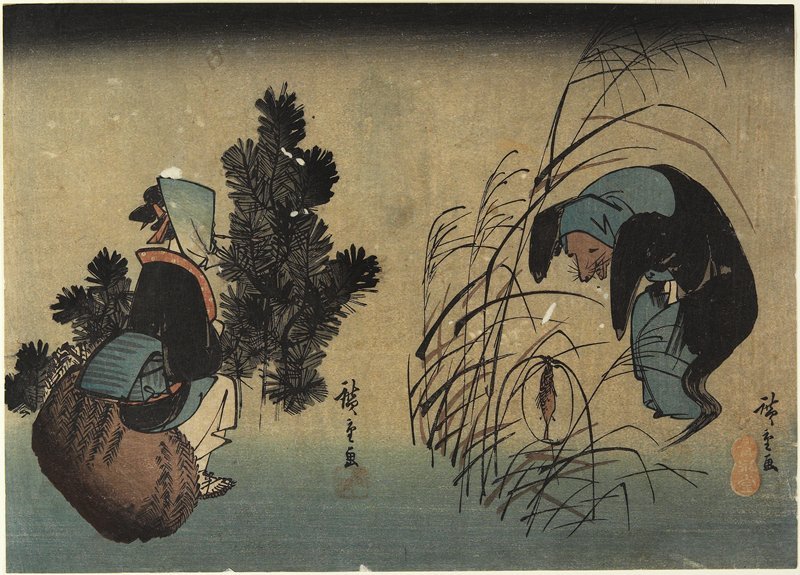
Woman and Fox - Utagawa Hiroshige